Leading With Emotional Regulation Through SCARF
Understanding our emotions and how to respond to them, is a growing skill in leadership. Emotional management allows humans to lead better as they understand and support their followers.

Understanding our emotions and how to respond to them, is a growing skill in leadership. Emotional management allows humans to lead better as they understand and support their followers.
Accountability is often a challenging topic. For many, it can be an uncomfortable part of leadership and management, as many perceive it as conflict. They see it as a conflict because most often if accountability needs to be practiced, it means holding someone responsible for agreements and obligations. When holding
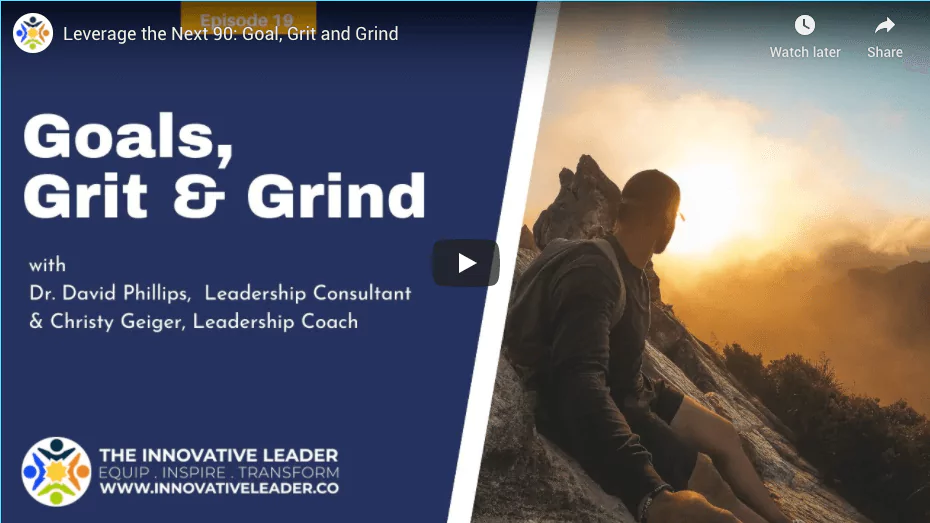
THE INNOVATIVE LEADER PODCAST WITH DAVID PHILLIPS AND CHRISTY GEIGER (WWW.INNOVATIVELEADER.CO) How do you leverage the next 90? In the Innovative Leader Podcast today, we are focusing on three keys to get and stay in action. Have Challenging Goals: The Good to Great concept of the BHAG what goal will challenge
The Right ATTITUDE: The present is perfect. Everything is possible. Nothing is impossible. Find the good in everything. Preserver; it builds character. The Right PLANNING: Plan ahead with clear goals. Have a master plan. Plan today; save tomorrow. Fill your jar with rocks & then sand. Focus your energy on
There are several versions of this adage: “What you celebrate gets repeat.” Or, “What you reward gets repeated”. Well here’s another to consider: What you allow, you promote!
COVID is pushing organizations to live and function within uncertainty. We don’t know when restrictions will end, when people can congregate again, when it will all be over (if it ever will be). Leadership 4.0 can help us function and lead during this time.
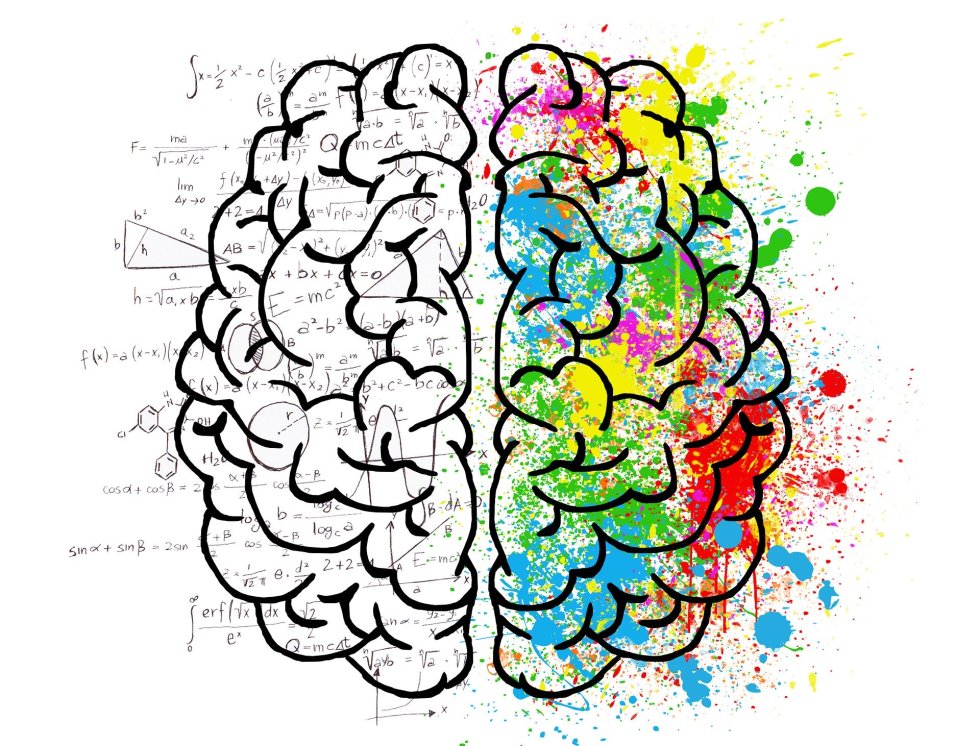
The Healthy Mind Platter is a brain health model developed by David Rock and Dr. Dan Siegel. It describes seven daily essential mental activities to optimize brain matter and create well-being. In this episode of The Innovative Leader, we look at the three additional activities, Time In, and Down time.
Relationships can be challenging. As professionals and performers we want to excel ourselves and our colleagues to do well too. When mistakes or failures happen, we know from GROWTH MINDSET, it is an opportunity to grow, learn and fail forward AND it can still be challenging especially if someone doesn’t know there was a problem or is not self-aware.
Sometimes in our 24/7, on the go society … we look and focus on ways we can increase our learning, habits, and performance. Downtime and mindfulness can seem like the opposite rhythm than the quick, efficient, and striving energy of achievement. Neuroscience helps us understand what is critical for our minds to be at their best, which directly impacts our mental, physical, emotional, and spiritual energy. This “downtime” of mindfulness is actually critical for building gray matter and the balanced sage perspective that offers us greater wisdom, guidance, and emotional intelligence.
Hard skills have always been important to master and have competency in at work. Soft skills however are a trumping skill due to the fact hard skills can be taught and soft skills tend to be more natural, developed, and impactful. Being intentional about developing your soft skills is a key action for any professional and leader desiring to keep themselves fresh, marketable, and standing above in today’s busy work market. Here are 13 ways to consider to improve your soft skills.